Pioneering history forms the Bismarck-Mandan opportunity of today!
The thriving Bismarck-Mandan community marks its beginning with the settlers of the early 1800s. The Lewis and Clark Expedition spent the winter at Fort Mandan in 1804-05, while the construction of the Transcontinental Railroad ramped up development at the end of the century. Numerous facilities throughout the region mark the factors underlying the birth of the local community that eventually became the state capitol’s home.
History
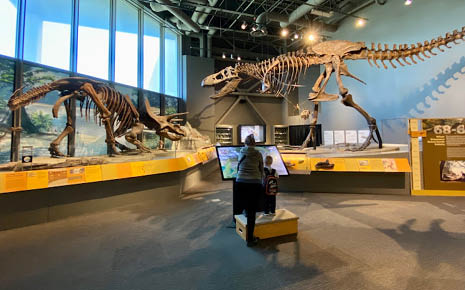
North Dakota Heritage Center and State Museum
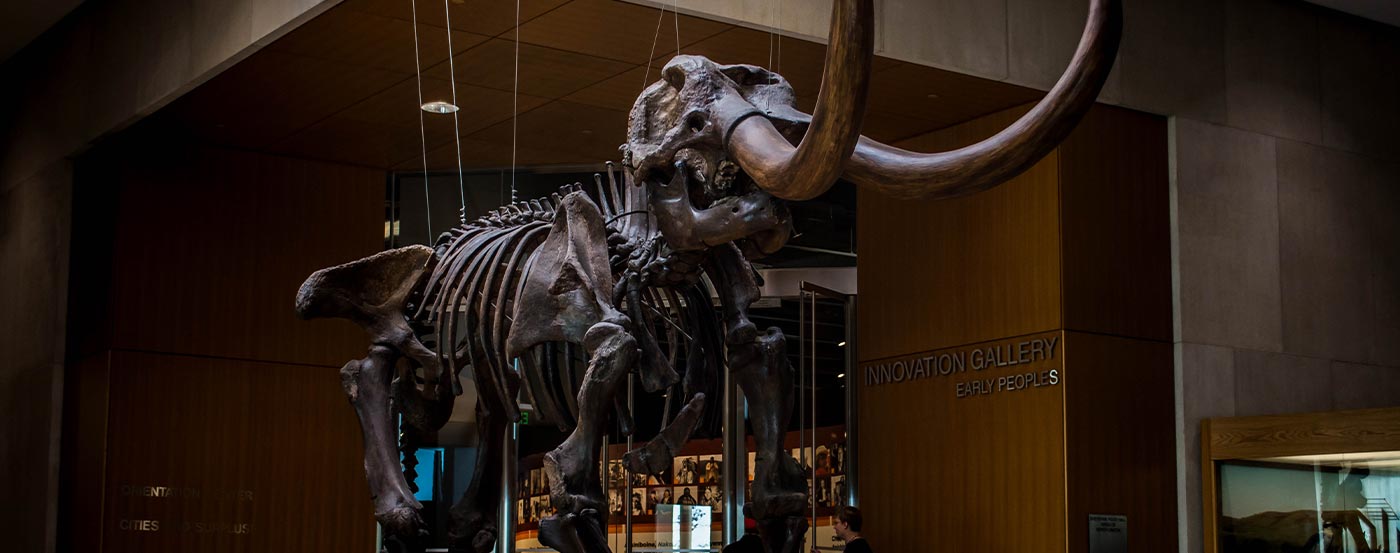
The stories of Bismarck-Mandan and the entire state of North Dakota come to life at the North Dakota Heritage Center and State Museum. Interactive galleries include thousands of artifacts, specimens, exhibits and other items that appeal to all ages. Visitors can peer up at a life-size Tyrannosaurus Rex, learn about their heritage at the State Archives and much more.
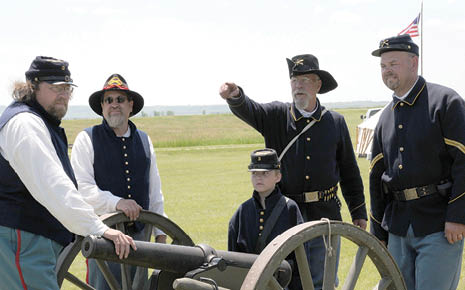
Fort Abraham Lincoln State Park
As the oldest state park in North Dakota, Fort Abraham Lincoln State Park is the state’s primary resource for experiencing frontier life. Reconstructed earth lodges at On-a-Slant Village illustrate the ways of the Mandan Native Americans who came before as well. The park is also the site of the last residence of Lt. Col. George Armstrong Custer before the Battle of Little Bighorn.
Fort Abraham Lincoln State Park is an enjoyable educational experience for the whole family. Check out other opportunities For the Family here!
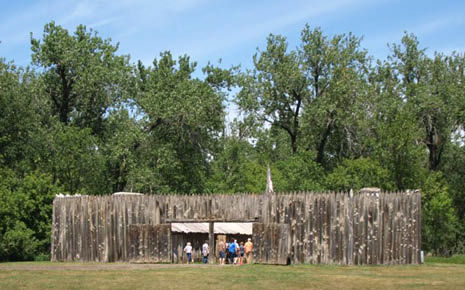
Fort Mandan
Fort Mandan is where the Lewis and Clark Expedition spent the winter of 1804-05. Full-size replicas showcase life then, including the expedition’s interaction with the Mandan and Hidatsa peoples.
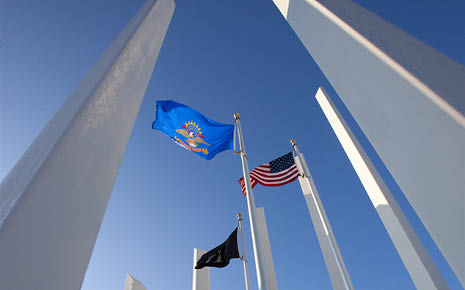
Military History Tour
Active participation in supporting the country’s military endeavors has always been a priority in the region. A local Military History Tour highlights stops at All Veterans Memorial, Liberty Memorial Bridge, Camp Hancock State Historic Site and much more.
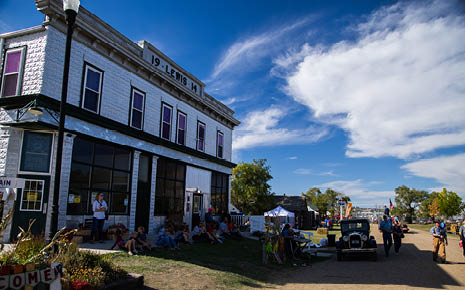
Buckstop Junction
Historic buildings from 1875 to 1935 can be viewed at Buckstop Junction. Moved to this location for preservation by the Missouri Valley Historical Society, the collection illustrates the stories of the original homesteaders who began the creation of modern-day Bismarck-Mandan out of the North Dakota prairie.
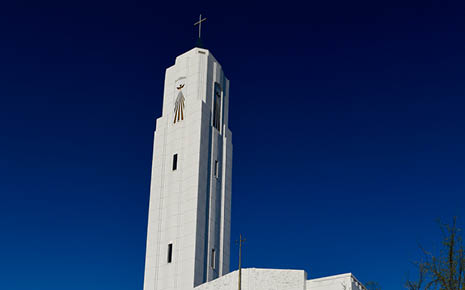
Cathedral Area Historic District
High on the hills just outside Bismarck’s business district is the Cathedral Area Historic District, listed on the National Register of Historic Places. It was the primary area of residence for many of the most prominent and influential residents at the turn of the twentieth century. As such, the architectural style offers a glimpse of the residential structures of the time.
No results match your search.